
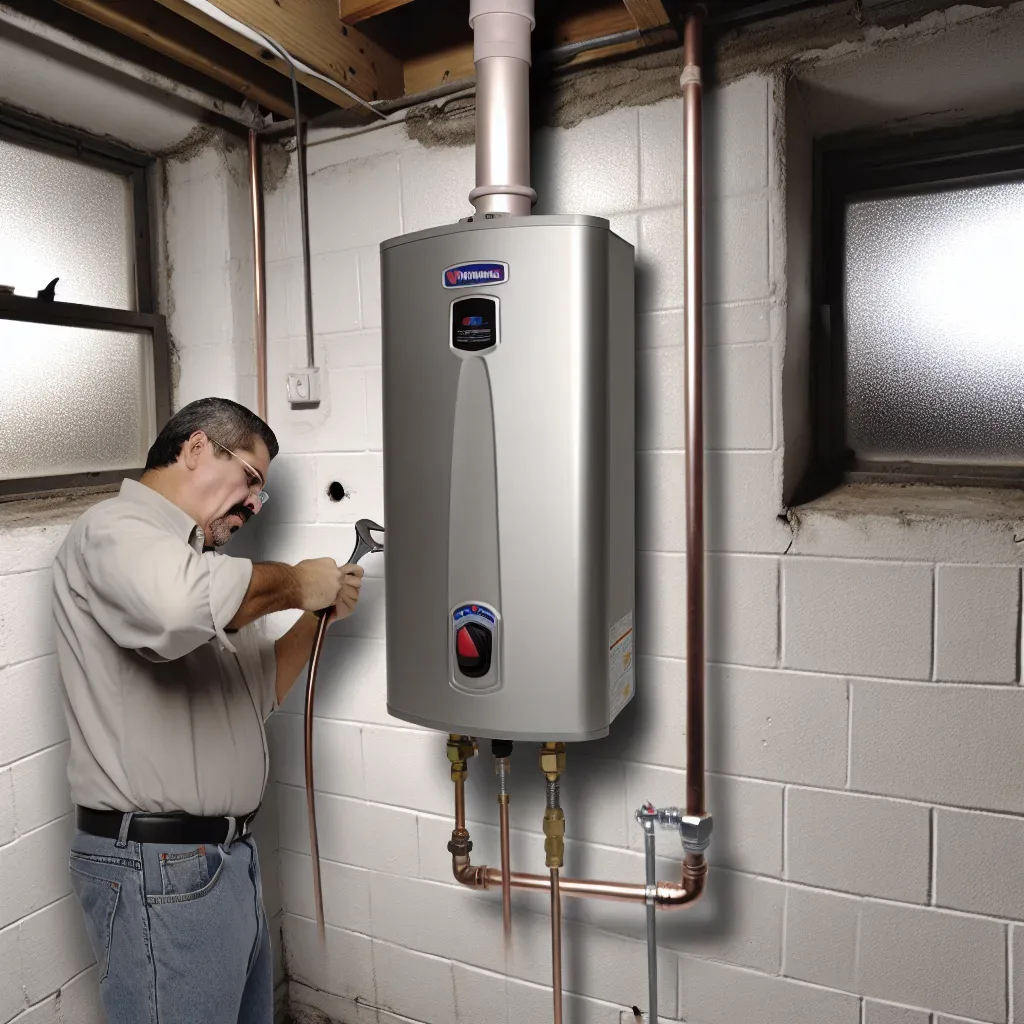
tankless water heater in Malden — Trusted by your neighbors. Fast, honest service with upfront pricing.
What’s Covered on This Page
- How to Know Your Atlanta Home Needs a Tankless Water Heater
- What the Tankless Water Heater Installation Process Looks Like in Atlanta
- Choosing the Right Tankless Water Heater for Your Atlanta Property
- Do I need a permit to install a tankless water heater in Atlanta?
- How do I know if my Atlanta home’s gas line can handle a tankless water heater?
- What are the signs I actually need a tankless water heater instead of a repair?
- How long does a tankless water heater installation take in Atlanta?
- Will a tankless water heater keep up if my family is running multiple showers and appliances at once?
- How much space does a tankless water heater free up compared to a tank unit?
Need tankless water heater?
Call Now for a Free Estimate. Call Water Heater Genies now.
How to Know Your Atlanta Home Needs a Tankless Water Heater
Your water heater talks to you before it dies. Seriously. It drops hints — sometimes subtle, sometimes impossible to ignore — and catching those hints early can save you from waking up to a freezing shower or, worse, a flooded utility room. Here are the signals Atlanta homeowners should actually pay attention to.
Running out of hot water too fast? That’s the big one. If your family of four can’t all get through morning showers without somebody getting blasted with cold water, your tank is either too small or it’s on its last legs. A tankless unit heats water the moment you need it, so there’s no waiting around for a tank to refill. We get calls about this exact problem almost every single day.
Check how old your water heater is. The U.S. Department of Energy says most tank units last somewhere between 8 and 12 years. Once yours creeps past that window, repairs start piling up — and they get expensive fast. At that point, swapping it out for a tankless system usually makes way more financial sense than dumping money into a unit that’s circling the drain.
Honestly, most people wait until something breaks before they call us. And by then the timing is never convenient.
Your energy bills creeping up? That’s a red flag too. Tank heaters keep 40 to 80 gallons of water hot all day, all night — even when nobody’s home and nobody’s using a drop. That standby heat loss hits your Georgia Power bill every month like clockwork. Tankless units only kick on when you actually turn on a faucet, which cuts energy waste by a real, measurable amount each billing cycle.
Now look at what’s coming out of your taps. Rusty or discolored water usually means the inside of your tank is corroding, and once that starts, it moves fast. Maybe you’ve noticed a metallic taste or a weird smell. Those aren’t minor annoyances. They’re signs the tank itself is deteriorating — not just some part that can be cheaply swapped out.
Hearing rumbling, popping, or banging from your water heater? That’s sediment. Atlanta’s water supply carries minerals that settle at the bottom of the tank over time, forming a crusty layer on the heating element. Forces the heater to work way harder than it should. Shortens its life considerably. Sound familiar? It’s one of the most common things people describe when they finally decide to pick up the phone and call us.
Homeowners in older Buckhead and Decatur neighborhoods know this struggle — tiny utility closets. Standard tank heaters eat up a ton of floor space. A tankless unit? Mounts right on the wall and frees up that entire footprint. If your current setup feels like a game of Tetris every time you need to grab something from that closet, a wall-mounted tankless system fixes the problem directly. Simpler than most people expect.
Visible leaks or moisture around the base of your water heater — take that seriously. Small drips from fittings or valves? Those are fixable. But if water’s pooling underneath the tank itself, the body has likely cracked or corroded through. That’s not a repair situation. That’s a replacement situation, and it needs to happen fast before water damage spreads.
Think about how your household actually uses hot water. Atlanta homes running multiple bathrooms, a dishwasher, and a washing machine simultaneously are putting a brutal load on a single tank. Maybe you’ve added a bathroom or converted your basement into living space — your original water heater was never designed for that kind of demand. A tankless system handles all those simultaneous draws without dropping temperature or pressure.
Checking more than one box on this list? Get a professional assessment. A licensed plumber can evaluate your current unit, figure out your home’s actual hot water demand, and tell you whether a tankless water heater makes sense for your Atlanta property. Catching the problem early keeps you in control of the timing. Way better than reacting to a failure on a cold January morning.
What the Tankless Water Heater Installation Process Looks Like in Atlanta
Let’s be clear — installing a tankless water heater in Atlanta isn’t a quick same-day swap like changing a light bulb. It takes planning, the right permits, and a licensed plumber who actually knows local code. Here’s what the process looks like from start to finish, no surprises.
First up: the site assessment. A plumber comes to your home and checks three things — your gas line size, your electrical panel capacity, and where the unit will vent. In older Buckhead homes, the existing half-inch gas line often can’t supply enough BTUs for a tankless unit. So upgrading to a three-quarter-inch line is common and has to happen before the new unit goes in.
Next comes the permit.
Atlanta requires a mechanical permit for any water heater replacement. Your plumber pulls this through the City of Atlanta Office of Buildings before any work starts. Skip this step and it can come back to bite you when you sell your home — trust me on that. A licensed contractor handles all the paperwork so you don’t have to deal with it. Got questions about what’s involved? Just give us a call.
Once that permit’s approved, the old tank comes out. If you’ve got a 40- or 50-gallon storage tank, your plumber drains it, disconnects the supply lines, and hauls it away. This frees up real floor space — often 10 to 16 square feet in a utility closet or garage. Homeowners in Sandy Springs and Brookhaven frequently use that recovered space for storage or even a second washer hookup. We’ve seen people genuinely surprised by how much room opens up.
The new unit mounts to the wall. Gas models need a dedicated vent pipe running through an exterior wall or up through the roof. Your plumber will core-drill a hole, install the vent collar, and seal everything properly to meet Atlanta’s building code. Electric models? They skip the venting step entirely but require a dedicated 240-volt circuit, which might mean adding a breaker to your panel.
Not sure which type you need? That’s actually super common. A lot of homeowners come into this process without knowing whether gas or electric is the right call, and that’s totally fine. The site assessment sorts it out.
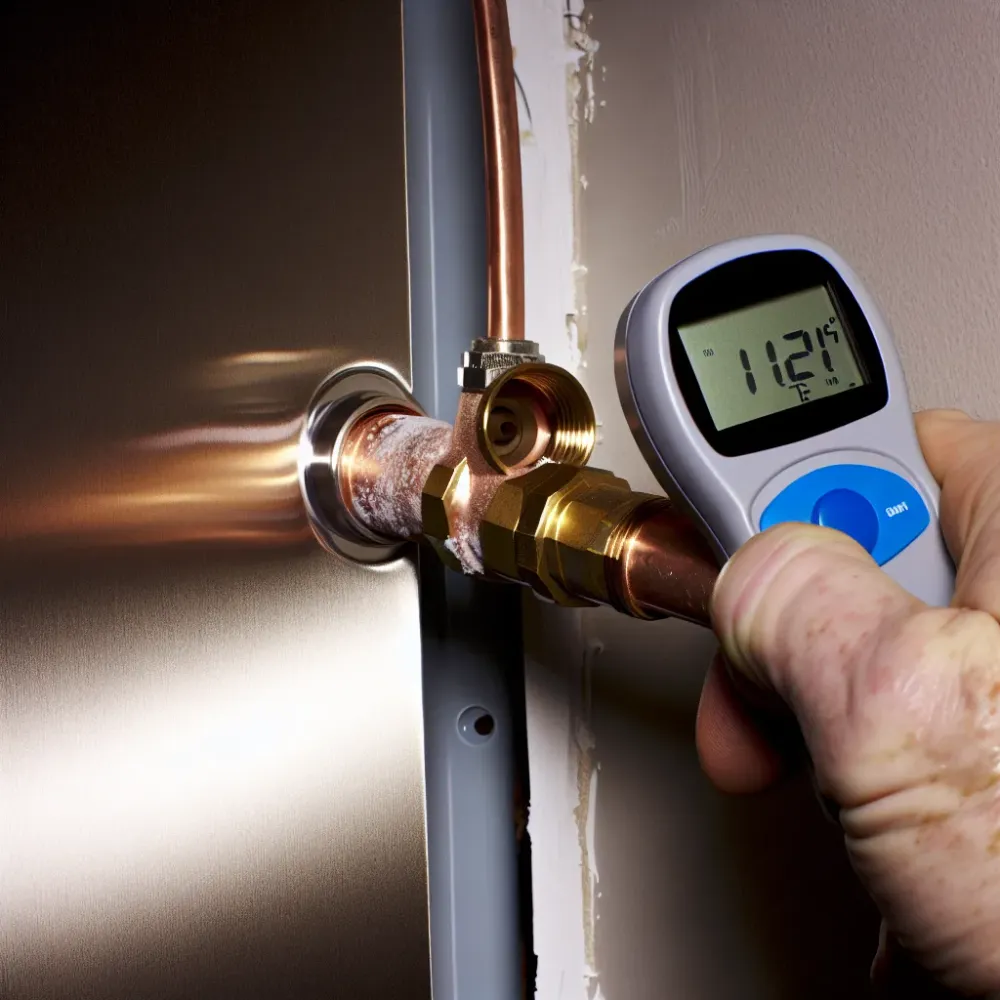
After the unit’s mounted and connected, the plumber pressure-tests the gas line. This confirms there aren’t any leaks before the gas valve opens. Water lines get flushed to clear debris from the old tank. Then the unit powers on for the first time — your plumber checks the flow rate, dials in the temperature setting (typically 120°F, which is what the U.S. Department of Energy recommends), and runs hot water at multiple fixtures simultaneously to make sure output stays consistent.
Last step: the city inspection. An Atlanta building inspector visits your home to verify everything matches the permit and meets local code. Your plumber schedules this appointment and should be there during the inspection. Once the inspector signs off, you get a certificate of completion. Keep that document with your home records. You’ll want it.
The full process — permit approval through final inspection — typically takes one to three days, depending on how fast the city schedules the inspection. Actual physical installation usually runs four to six hours for a gas unit, two to four for electric. Homes with older plumbing or tight utility spaces, like a lot of the bungalows in Grant Park, may take longer because of access challenges or pipe upgrades.
Here’s one detail Atlanta homeowners often miss: tankless units need an approved condensate drain if you go with a high-efficiency condensing model. Your plumber routes this drain to a floor drain or utility sink. Small detail. But inspectors check it closely. We’ve seen final inspections held up over exactly this — don’t let it catch you off guard.
Knowing each step ahead of time means no surprises on installation day. You know what your plumber’s doing, why it matters, and what to expect when they pack up and leave.
Choosing the Right Tankless Water Heater for Your Atlanta Property
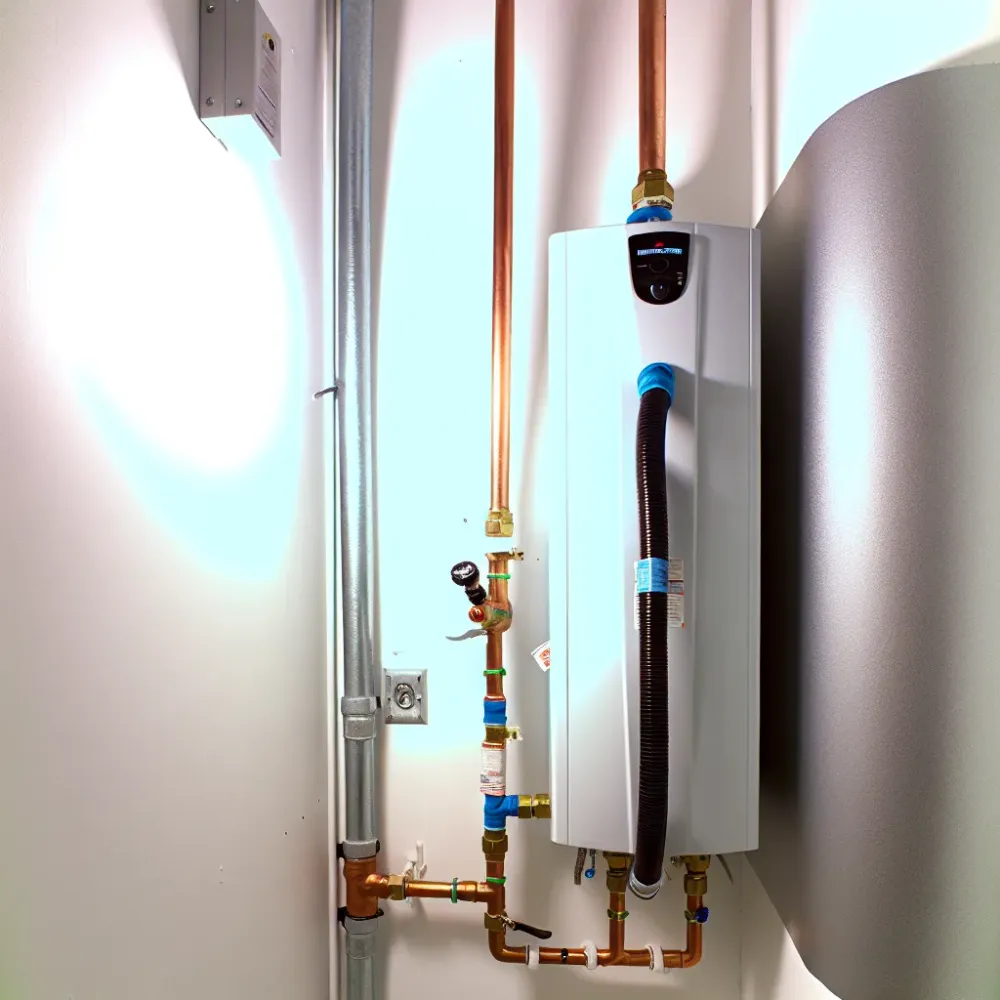
This isn’t a one-size-fits-all decision. Not even close. The size of your home, how many people live there, even your neighborhood’s water supply — all of it affects which unit is right for you. Get this wrong and you’re looking at cold showers or a unit that runs constantly and burns out way too fast.
Start with flow rate demand. Flow rate’s measured in gallons per minute (GPM). A typical shower uses about 2 GPM. A dishwasher pulls around 1.5. Running two showers and the dishwasher at the same time? You need a unit that can handle at least 5.5 GPM without the temperature dropping. A lot of Atlanta homeowners underestimate this number — especially in larger homes in Dunwoody or East Cobb where families are bigger and there are multiple bathrooms to feed. We see undersized units cause problems all the time, and it’s almost always because the original sizing didn’t account for how the household actually uses hot water.
Fuel type matters. A lot. Gas-powered tankless units deliver higher flow rates and heat water faster than electric models. They’re great for whole-home applications in larger Atlanta properties. Electric tankless units work well for smaller homes, condos, or point-of-use setups — think a single bathroom addition or a garage apartment. But here’s the thing: your existing gas line size and electrical panel capacity will shape this decision before anything else does.
Inlet water temperature. Most people don’t think about this one.
In Atlanta, groundwater temps typically sit between 60°F and 68°F depending on the season, according to the U.S. Geological Survey. That’s warmer than what you’d find in the Midwest or Northeast, which actually works in your favor. Atlanta homes generally need less heating power to reach your target temperature. A unit that might be undersized in Chicago could work perfectly fine here. Those generic online sizing calculators won’t account for local groundwater temps — and that’s exactly why local knowledge matters so much with this stuff.
You’ve also got to decide between a whole-home system and a point-of-use unit. Whole-home replaces your traditional tank entirely and serves every fixture in the house. Point-of-use installs close to a single fixture — under a kitchen sink, for example — and delivers hot water almost instantly to just that one spot. Some Atlanta homeowners in older homes with long pipe runs, like those in Inman Park or Grant Park, use a combination of both. Solves slow hot water delivery without needing a full recirculation system. Smarter setup than most people initially consider, and more affordable than they’d guess.
Venting depends on your home’s layout. Gas tankless units need proper venting to exhaust combustion gases safely. You’ve got two main options: power-vent systems that use PVC pipe (these work in most Atlanta homes) and direct-vent systems that pull combustion air from outside. The right choice comes down to where the unit’s being installed and what your home’s existing venting looks like. A professional site visit is really the only reliable way to figure this out.
And here’s something we’d tell you straight if you called us today — don’t skip the water quality conversation. Atlanta’s water supply is treated municipal water, but homes in certain areas can still deal with sediment or mineral buildup that messes with tankless unit performance over time. If your home has older pipes or you’ve noticed scale on your fixtures, a pre-filter or water softener might need to be part of your installation plan. Skipping this can shorten your unit’s life and tank efficiency faster than normal wear would. Way easier to address before installation than after.
Flow rate, fuel type, inlet temperature, venting, water quality — every single one of those factors affects how well your system performs day to day. Getting it right from the start saves you money and a whole lot of frustration down the road. We’re state-licensed and we’ve been doing this work in Atlanta for over a decade, so if you want a straight answer on what your home actually needs, just reach out.
Frequently Asked Questions
Common questions about tankless water heater services in Malden
Do I need a permit to install a tankless water heater in Atlanta?
Yes, Atlanta requires a mechanical permit for any water heater replacement. Your licensed plumber pulls this through the City of Atlanta Office of Buildings before work begins. Skipping it can cause real problems when you sell your home. A good contractor handles all the paperwork for you. You just need to be available for the inspection once the job is done.
How do I know if my Atlanta home’s gas line can handle a tankless water heater?
A plumber checks your gas line size during the site visit before any work starts. Older Atlanta homes — especially in Buckhead — often have half-inch gas lines that can’t supply enough BTUs for a tankless unit. Upgrading to a three-quarter-inch line is common and gets handled before installation. This is exactly why a proper assessment matters before you buy anything.
What are the signs I actually need a tankless water heater instead of a repair?
If your water heater is past 10 years old and you’re seeing rusty water, hearing rumbling, or running out of hot water fast — replacement makes more sense than repair. Repairs on aging units add up quickly. A tankless system gives you endless hot water on demand and cuts the standby energy waste that hits your Georgia Power bill every single month.
How long does a tankless water heater installation take in Atlanta?
Most installations take one full day once the permit is approved. The timeline depends on whether your gas line needs upgrading or new venting has to be run through an exterior wall. Your plumber will walk you through exactly what’s needed during the site assessment. Planning ahead keeps the project on schedule and avoids surprises.
Will a tankless water heater keep up if my family is running multiple showers and appliances at once?
Yes — that’s one of the biggest reasons Atlanta homeowners switch. Tank units struggle when you’re running two showers, a dishwasher, and a washing machine at the same time. A properly sized tankless system heats water on demand and handles those simultaneous draws without dropping temperature or pressure. If you’ve added a bathroom or finished your basement, this matters even more.
How much space does a tankless water heater free up compared to a tank unit?
A tankless unit mounts on the wall and frees up 10 to 16 square feet of floor space. If you have a cramped utility closet — common in older Buckhead and Decatur homes — that recovered space makes a real difference. Homeowners in Sandy Springs and Brookhaven have used it for extra storage or even a second washer hookup. It’s a practical upgrade beyond just the hot water.
Don’t Wait Until It’s Too Late
Don’t wait until a small problem becomes an emergency. Call (781) 555-0193 right now. We answer 24 hours a day, 7 days a week, and we’ll get a professional to your door fast.