
Tankless Water Heater Installation in Malden
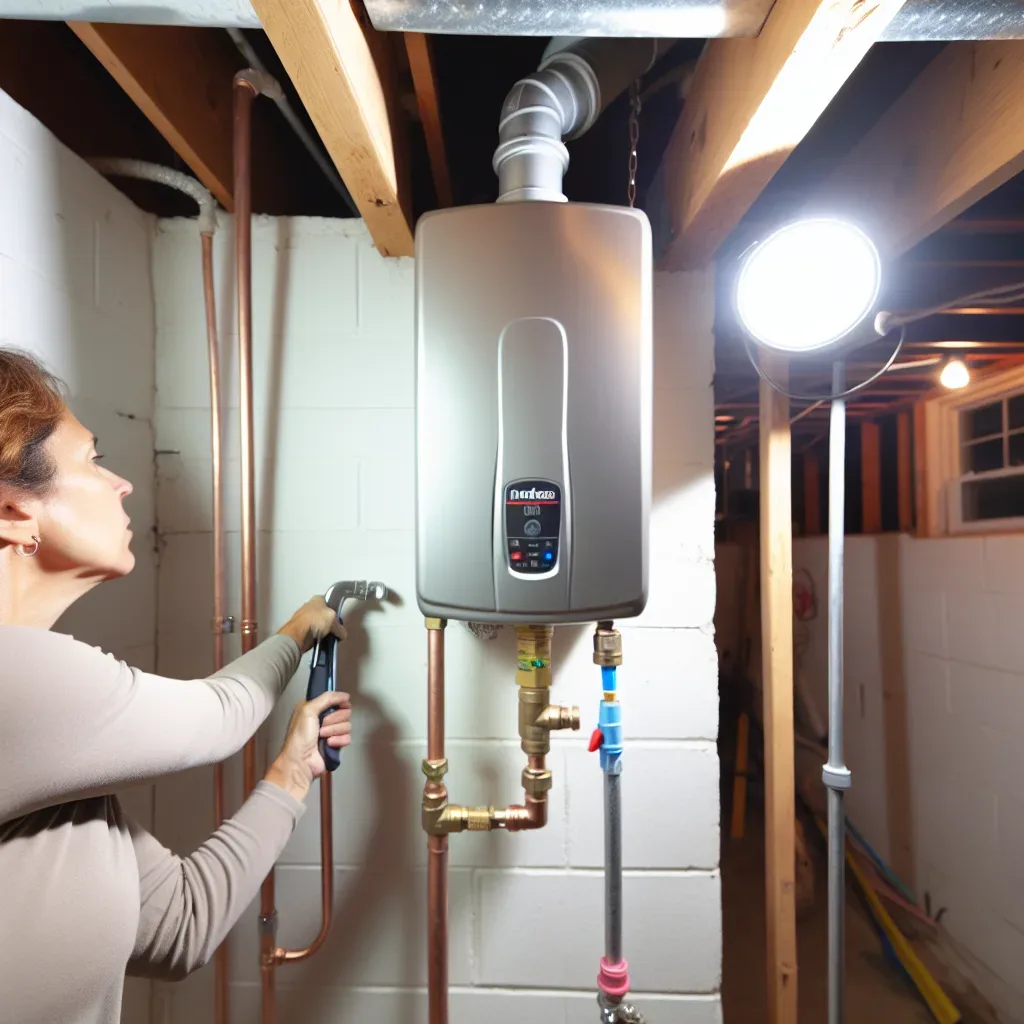
What’s Covered on This Page
- Tankless Water Heater Installation in Malden: Hot Water Without the Wait
- Signs Your Malden Home Is Ready for a Tankless Upgrade
- How Tankless Water Heater Installation Works in Malden Homes
- Choosing the Right Tankless Unit for Your Malden Property
- What Malden Homeowners Should Do Before Installation Day
- Keeping Your Tankless Water Heater Running Strong in Malden
- How long does tankless water heater installation take in Atlanta?
- Do Atlanta homes need a permit for tankless water heater installation?
- Will a tankless water heater work well in Atlanta’s climate?
- What size tankless water heater do I need for my Atlanta home?
- What should I do to prepare before the installation crew arrives?
- Can my Atlanta home’s existing gas line support a tankless water heater?
Need tankless water heater installation?
Call Now for a Free Estimate. Call Water Heater Genies now.
Tankless Water Heater Installation in Malden: Hot Water Without the Wait
Signs Your Malden Home Is Ready for a Tankless Upgrade
Your tank water heater doesn’t just quit one day out of nowhere. It gives you hints. Little ones at first, then they get louder.
Maybe you’re the last one to shower and there’s nothing but cold water left. Or you notice rusty water coming from the hot side only. That’s your tank telling you something. We hear this from homeowners across Malden almost every week, especially once October hits and everybody’s cranking up the hot water. If your tank unit is eight years old or more, those signs aren’t going away. They’re getting worse.
Here’s what to watch for. Your energy bills creep up every winter but your usage hasn’t changed. You hear popping or rumbling sounds from the tank. There’s moisture or small puddles around the base. The hot water runs out faster than it used to. Any one of these means your system is working harder than it should. Two or more? You’re on borrowed time.
Homes in the Maplewood and Edgeworth neighborhoods tend to have older plumbing systems, and we see a lot of 40- and 50-gallon tanks that were installed when the house was built or last renovated. Those units lose efficiency year after year. The U.S. Department of Energy reports that tankless systems can be 24 to 34 percent more efficient than conventional storage tank heaters. That’s real money back in your pocket, especially during Malden’s long heating season from fall through early spring.
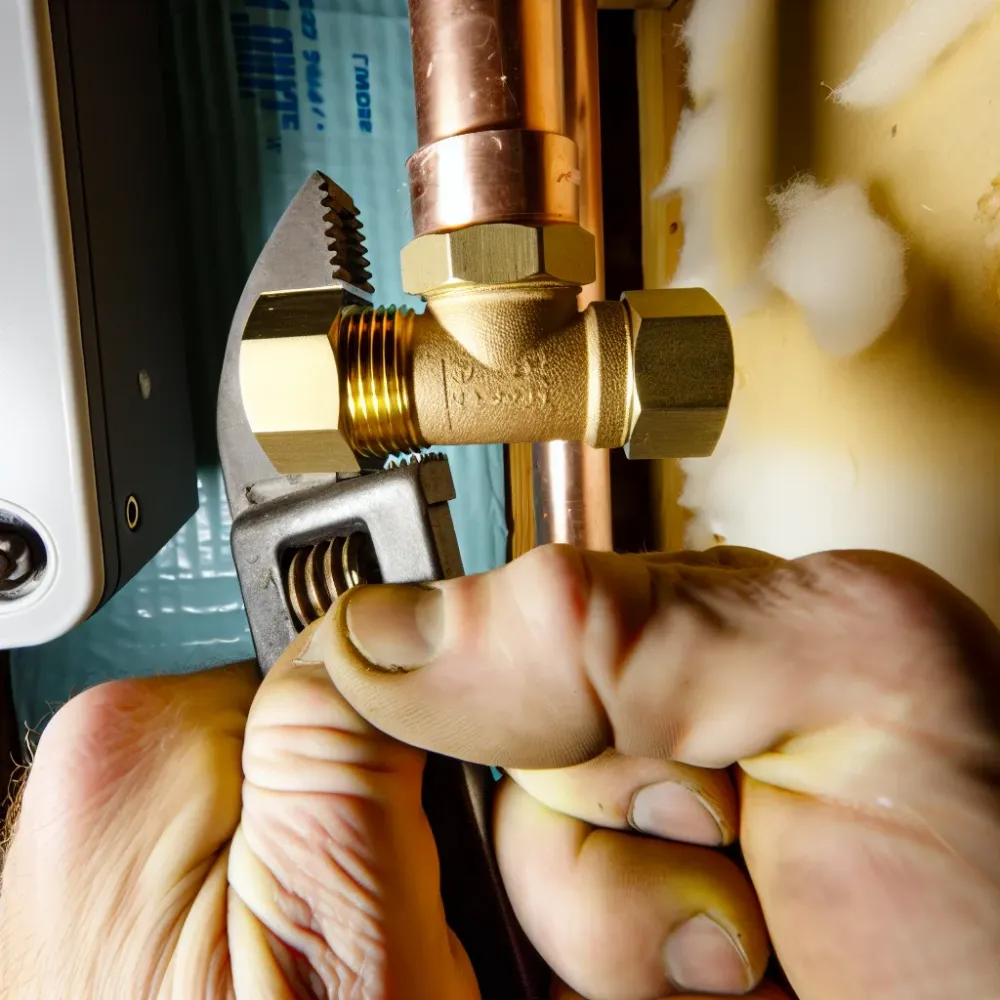
Not sure if your situation qualifies? That’s pretty common. Some folks call us thinking they just need a repair. Nine times out of ten, once we look at the age of the unit and the symptoms, a tankless conversion makes more sense than sinking money into a dying tank.
You don’t need to wait for a full failure. A flooded basement or garage is nobody’s idea of a good morning. If you’re noticing any of these signs, your home is telling you it’s time. We serve homeowners across Malden, Medford, Everett, Revere, and surrounding cities, and the time to make this switch is before the cold really sets in.
How Tankless Water Heater Installation Works in Malden Homes
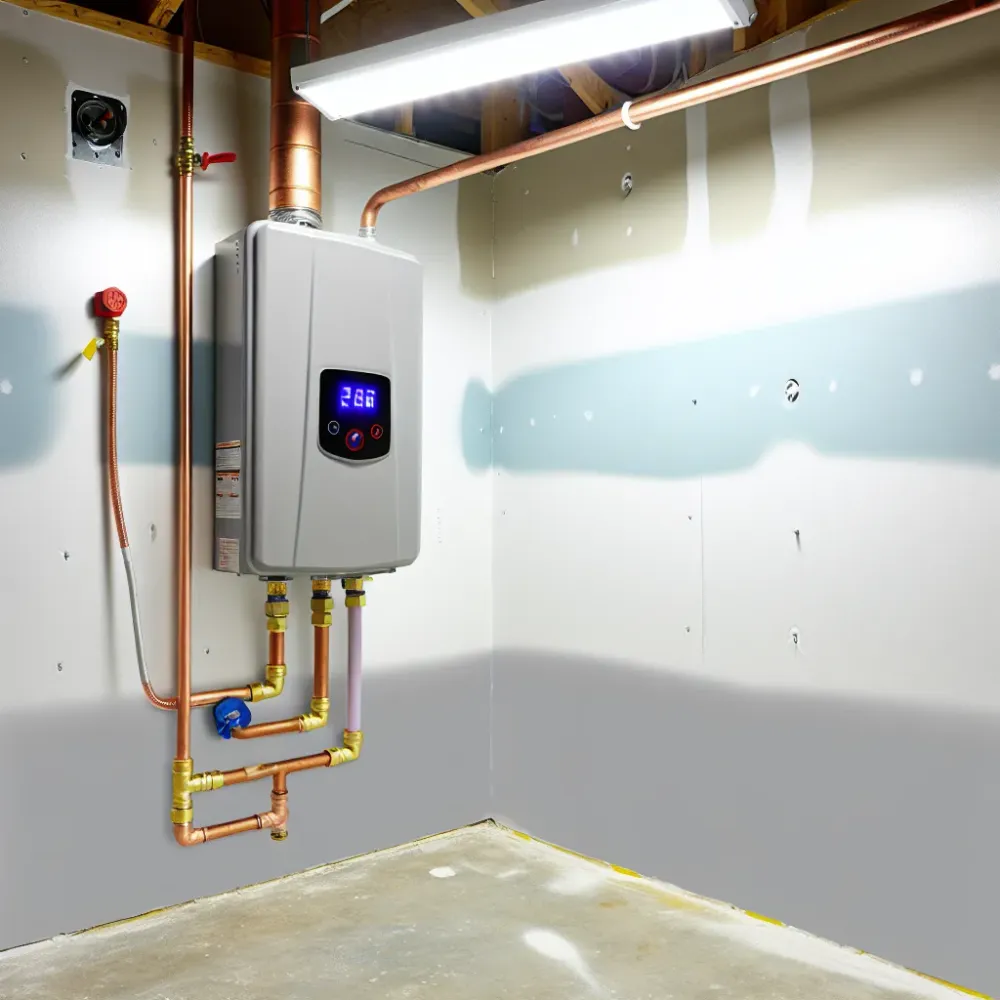
Most folks picture a simple swap. Pull the old tank off the wall, hang the new unit, done. It’s never that simple.
The process starts with a site evaluation. We look at your existing gas line size, your electrical setup, and where the unit’s going to live. In older Malden homes, especially around the Forestdale and Bell Rock areas, the gas lines feeding the old tank heater are typically half-inch. A tankless unit needs three-quarter inch in most cases. That single detail changes the scope of the whole job. We measure. We check venting paths through the roof or sidewall. We figure out drainage for the condensate line. All of this happens before anyone picks up a wrench.
Once we’ve got a plan, the real work begins. We shut down your water and gas supply, disconnect the old tank, and remove it. Then we run the new gas line if the existing one can’t handle the demand. We install the dedicated venting. On a condensing unit, that runs PVC straight through an exterior wall. Non-condensing units need stainless steel vent pipe routed to the roof. Big difference in labor. Big difference in how your finished install looks.
Here’s something we run into every week. Homeowners don’t realize the electrical component involved. Even gas-powered tankless units need a dedicated 120-volt outlet nearby for the control board and ignition. Some homes in Malden have panels that are already maxed out. So we coordinate that before install day, not during.
After mounting the unit and connecting water, gas, and electrical, we purge the lines and fire it up. We test every hot water fixture in your house. Kitchen, bathrooms, laundry. We check flow rates and make sure the temperature rise meets spec. Tankless units can be 24 to 34 percent more efficient than storage tank heaters for homes using 41 gallons or less per day. You’ll feel that difference fast, especially heading into Malden’s busy heating season from October through March.
The whole install typically takes one full day. Sometimes two if we’re upgrading gas lines or rerouting venting. No guesswork. Just a clean, permitted installation built to last.
Need help with tankless water heater installation?
Call Now for a Free Estimate. Water Heater Genies is ready to help.
Choosing the Right Tankless Unit for Your Malden Property
Not every tankless water heater fits every home. That’s the honest truth.
Your Malden property has its own quirks. The size of your household, the number of bathrooms, how many people shower back to back in the morning. All of it matters when we’re picking the right unit. A two-bedroom home near Malden Center has different demands than a four-bedroom house in the Faulkner neighborhood with three full bathrooms and a soaking tub. We walk through these details with every customer because getting the sizing wrong means lukewarm water or a system that’s working too hard.
Gas or electric? That’s usually the first fork in the road. Most homes in Malden already have a natural gas line running to the old tank water heater. If yours does, a gas-fired tankless unit is almost always the better call. It’ll deliver higher flow rates, which means you can run the dishwasher and a shower at the same time without anyone yelling down the hallway. Electric units work well for smaller households or condos where gas isn’t an option.
Flow rate is the number you really need to pay attention to. It’s measured in gallons per minute. Think about your peak usage. Two showers running plus a washing machine? You’ll need a unit that can handle roughly five to six GPM. One shower and a kitchen faucet? Three GPM covers it. We calculate this for you on-site so there’s no guesswork.
Groundwater temperature plays a role too, and most people don’t realize it. Malden’s incoming water sits around 45 to 55 degrees for most of the year, and during January and February it drops even lower. That means your unit has to work harder in winter to reach 120 degrees at the tap. Tankless systems need to be sized based on the temperature rise required, not just flow rate alone. We factor in Malden’s seasonal swings every time.
So how do you know what’s right? You don’t have to figure it out alone. We look at your plumbing layout, count your fixtures, check your gas line capacity, and give you a straight answer. No upselling. Just the unit that matches your home.
What Malden Homeowners Should Do Before Installation Day
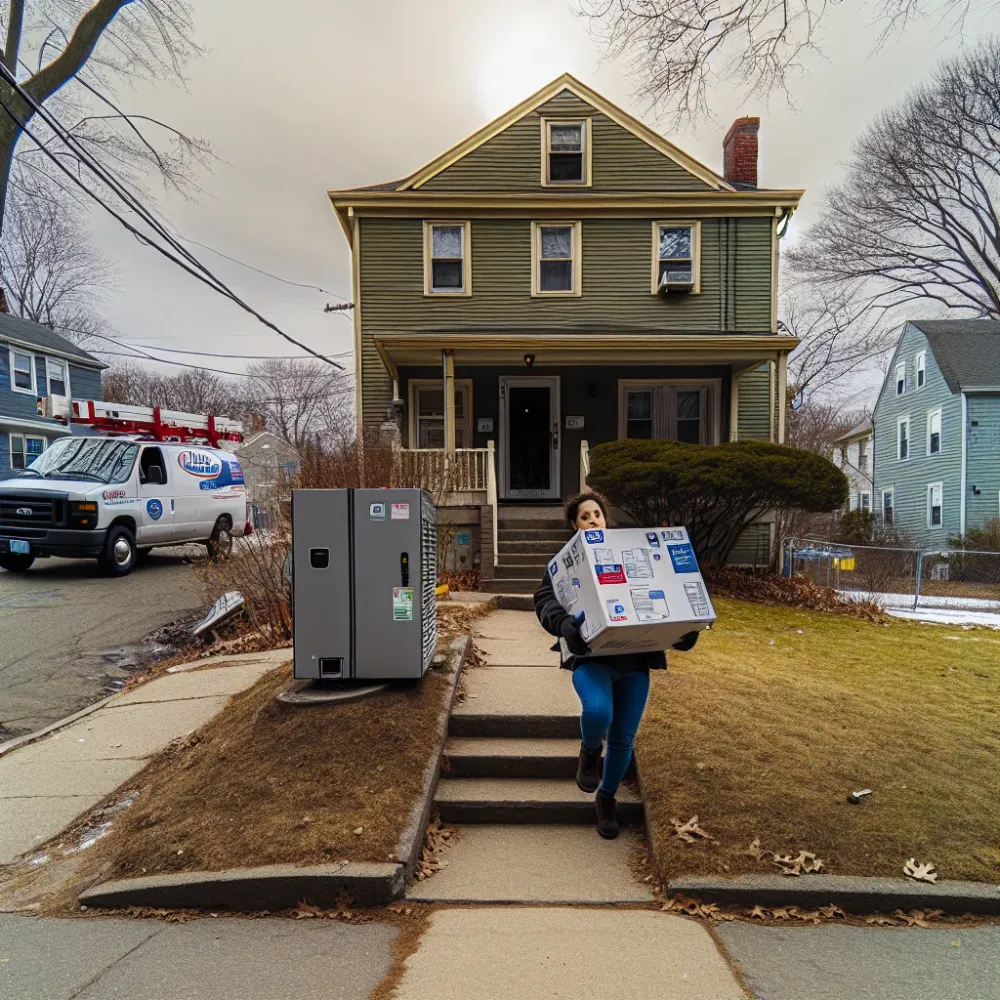
A little prep goes a long way. Most delays we run into aren’t technical. They’re things that could’ve been handled the night before.
First, clear the area around your current water heater. We need about three to four feet of workspace on all sides. That means moving storage boxes, holiday decorations, paint cans, whatever’s been piling up. In older homes around Malden’s Pleasant Street corridor, the water heater sometimes lives in a tight closet or a corner of the basement. If that’s your situation, just do your best. We’ll handle the rest. But giving us room to work means we finish faster and you get hot water sooner.
Turn off the gas or power to your existing unit the morning of installation. If you’re not sure how, don’t worry. We walk Malden homeowners through it over the phone when we confirm the appointment. And if you’d rather not touch it at all, our team handles that first thing when we arrive. No judgment either way.
You’ll also want to know where your main water shutoff valve is. Nine times out of ten, homeowners can’t find it when we ask. It’s usually near the front of the house where the water line enters, or sometimes in the crawl space. Locate it ahead of time so there’s no scrambling.
Here’s one people forget. Make sure someone 18 or older is home for the full installation. We need access to the unit, the gas line or electrical panel, and sometimes the attic for venting. If you live in a condo near downtown Malden, check with your HOA about any access requirements or permits they want to see. Some buildings need advance notice for work in utility areas.
One more thing. If you have pets, keep them in a separate room. We’re in and out of doors, carrying equipment, using tools that make noise. It’s safer for everyone, especially curious dogs.
Need help figuring out what else to get ready? Give us a call.
Keeping Your Tankless Water Heater Running Strong in Malden
Your tankless unit doesn’t need much. But it does need a little attention every year.
Malden’s water is harder than most people realize. That mineral buildup inside your heat exchanger is the number one thing that shortens the life of a tankless system. We flush units in Malden, Medford, and Everett, and almost every time we pull out sediment that the homeowner had no idea was there. A simple descaling flush once a year keeps your unit running at full efficiency. Skip it for two or three years, and you’re looking at reduced hot water output, error codes, and eventually a repair bill that could’ve been avoided with basic maintenance.
Here’s what we recommend for every tankless owner in Malden. Get a flush done before October. That’s when demand on your system goes up. You’re running hotter showers, the dishwasher’s going nonstop during the holidays, and your unit is working harder than it does all summer. We see the most emergency calls between November and February from homeowners who skipped their annual service. Nine times out of ten, it’s scale buildup that finally triggered a shutdown.
Beyond flushing, we check your inlet filter screen. It catches debris before it enters the unit, and it gets clogged more often than you’d think. We also inspect the venting to make sure nothing’s shifted or corroded. Gas units especially need proper ventilation, and Massachusetts winters can accelerate wear on vent connections over time.
One thing people don’t expect. A well-maintained tankless system can last 20 years or more. That’s nearly double the lifespan of a traditional tank. But only if you stay on top of it.
So if it’s been more than a year since your last flush, or you’ve never had one done, don’t wait for an error code to remind you. Our team handles maintenance across Malden and surrounding service areas including Medford, Everett, and Revere. A quick annual visit keeps your hot water reliable and your system lasting as long as it should.
Frequently Asked Questions
Common questions about tankless water heater installation services in Malden
How long does tankless water heater installation take in Atlanta?
Most Atlanta installations take one full day to complete. If we need to upgrade your gas line or reroute venting, it can run into a second day. We handle everything — gas, water, electrical, and venting — before we leave. You’ll have hot water running the same day in most cases. We always confirm the timeline with you before we start so there are no surprises.
Do Atlanta homes need a permit for tankless water heater installation?
Yes, Atlanta requires a permit for tankless water heater installation. This is not optional. A permit means a licensed inspector checks the gas line, venting, and electrical connections. That protects you if you ever sell your home. We pull the permit for you and schedule the inspection. Skipping this step can cause real problems down the road, so we never cut corners here.
Will a tankless water heater work well in Atlanta’s climate?
Atlanta’s winters are mild compared to northern cities, which actually works in your favor. Incoming groundwater here stays warmer than in colder climates. That means your tankless unit doesn’t have to work as hard to reach your target temperature. You’ll still get strong performance year-round. Even during January cold snaps, a properly sized unit handles Atlanta demand without breaking a sweat.
What size tankless water heater do I need for my Atlanta home?
The right size depends on how many fixtures you run at the same time. A two-bathroom Atlanta home typically needs a unit that handles three to four gallons per minute. A larger home with three bathrooms needs five to six GPM. We calculate this for you on-site based on your household size and peak usage. Getting the size right means no lukewarm showers during busy mornings.
What should I do to prepare before the installation crew arrives?
Clear the area around your current water heater before we show up. We need about three feet of working space on all sides. Make sure we can access your main water shutoff and gas shutoff too. If your water heater is in a closet or tight utility room, let us know ahead of time. That helps us plan the job correctly and keeps your install day moving smoothly from start to finish.
Can my Atlanta home’s existing gas line support a tankless water heater?
Many older Atlanta homes have half-inch gas lines that fed the original tank heater. Tankless units usually need three-quarter inch lines to handle higher demand. We check your gas line size during the site evaluation before any work begins. If an upgrade is needed, we handle it as part of the installation. You won’t find out mid-job — we spot it early and plan around it.
Ready to Get Started?
Call Now for a Free Estimate Call (781) 555-0193 today.