
Water Heater Installation
What’s Covered on This Page
- Signs You Need Water Heater Installation, Not Just a Repair
- Tank vs. Tankless: Picking the Right Fit
- Installing in Malden’s Triple-Deckers and Older Homes
- Massachusetts Code Requirements and What They Add to Your Install
- What to Expect on Installation Day
- How soon can you install a new water heater once I call?
- What happens when your installer shows up at my house?
- Why do triple-deckers in Malden need extra work for water heater installs?
- How do I know if I need a repair or a full water heater replacement?
- Is a tankless water heater a good choice for my Malden home?
- Do I need a permit for water heater installation in Malden?
Signs You Need Water Heater Installation, Not Just a Repair
Here’s what people often don’t hear on the phone: not every problem needs a new tank. We get calls where the fix is a $30 part and twenty minutes of work. But some signs mean the tank itself is done. No repair changes that.
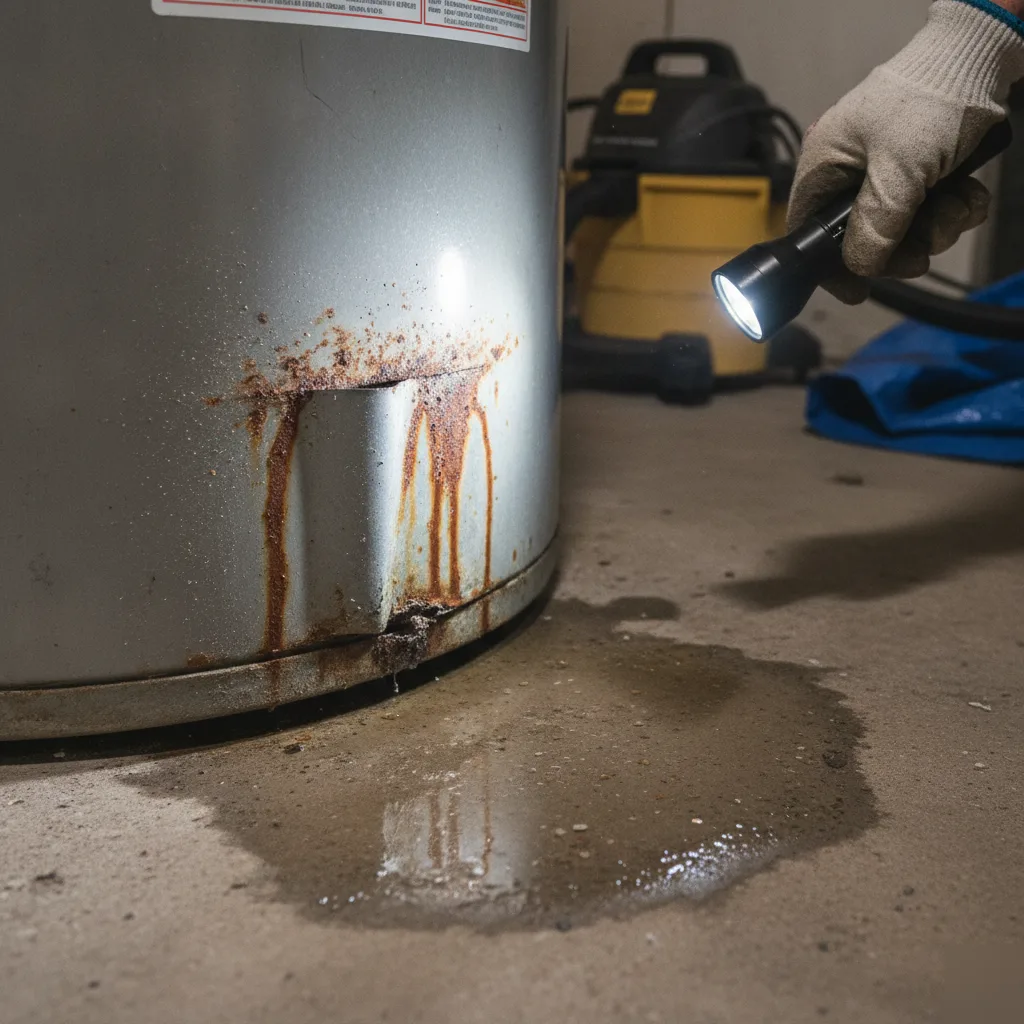
- Water coming out rusty or with a metallic smell, especially from the hot side only
- Visible rust or corrosion on the tank itself, not just the pipes
- A puddle forming at the base, even a small one that keeps coming back
- The tank is 10 years or older, which is near the end for most standard tanks
- Popping or rumbling that gets louder every month instead of going away
Many Malden homes are older triple-deckers and colonials. We frequently see original 40-gallon tanks pushing 13 or 14 years. Once a tank starts leaking from the tank body, that’s structural. A cracked tank cannot be repaired.
Slow to heat up? Running out of hot water fast during showers? Those can go either way. Sometimes it’s a bad heating element or a failing thermostat, an easy repair. Sometimes it’s a sign the tank’s undersized or dying. We’ll tell you which one it is before we recommend a new install.
Tank vs. Tankless: Picking the Right Fit
Tankless is the job we get called about most. Folks see the smaller unit, hear about the energy savings, and want one. They are great units. Tankless isn’t automatically the right call for every house.
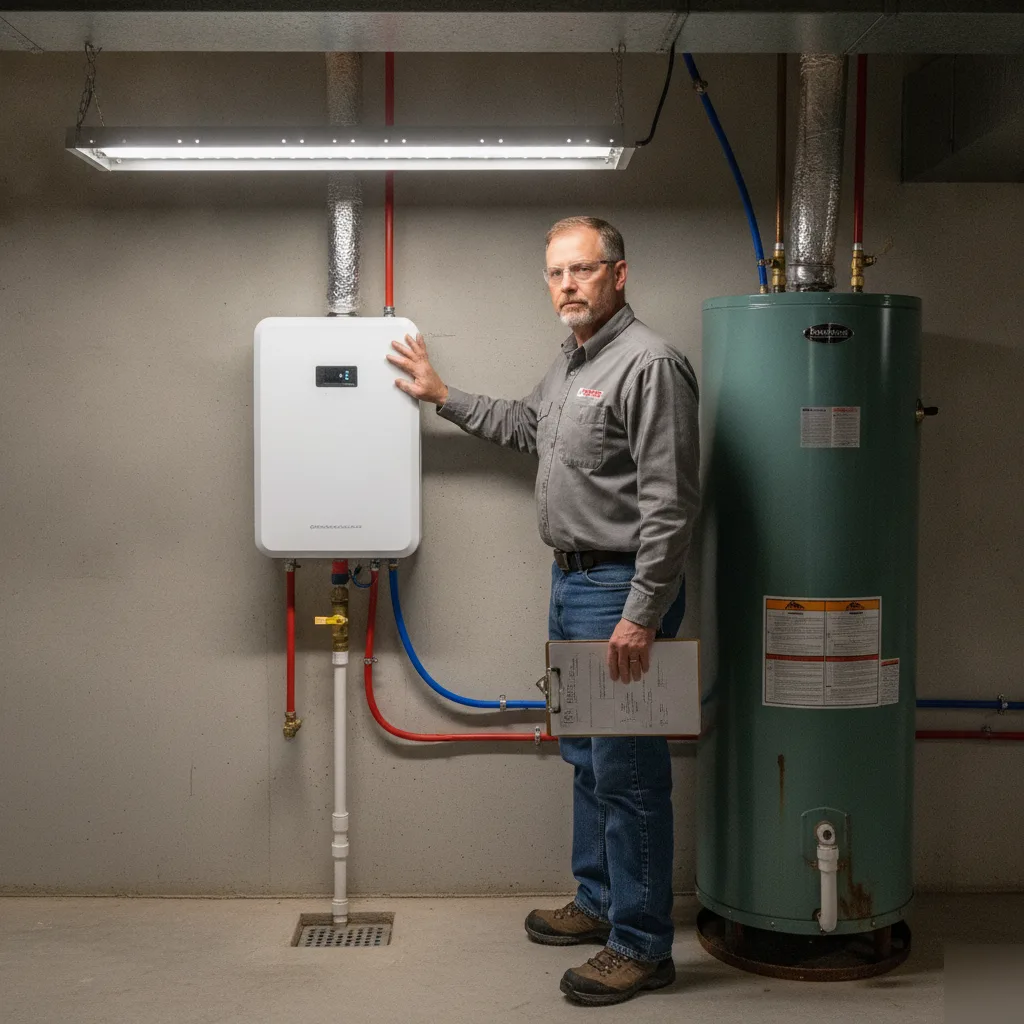
Many of Malden’s homes are older triple-deckers and small single-family homes built decades ago. Tankless units need proper gas line sizing and venting. Older homes sometimes need upgrades before the install starts. Skip that step and you’ll get a unit that can’t keep up with two showers running at once.
- Household size and how many fixtures run hot water at the same time
- Existing gas line size, or whether electric service can support the unit
- Available space, tankless units mount on a wall and free up floor space
- How long you plan to stay in the home, tankless costs more upfront but lasts longer
- Whether your current setup already has the venting a tankless unit needs
A standard tank still makes sense for smaller households or homes where the gas line upgrade isn’t worth the cost. We’ll tell you that straight, even when a tankless conversion is the bigger job. Not every house needs the upgrade, and pretending otherwise just costs you money for no real benefit.
An in-home look beats a phone guess every time.
Installing in Malden’s Triple-Deckers and Older Homes
Malden is full of triple-deckers built in the early 1900s, especially around Edgeworth and Linden. Those basements were never designed with a 50-gallon tank in mind. Narrow stairwells, low ceiling joists, and shared utility closets make a straight swap harder than it looks on paper.
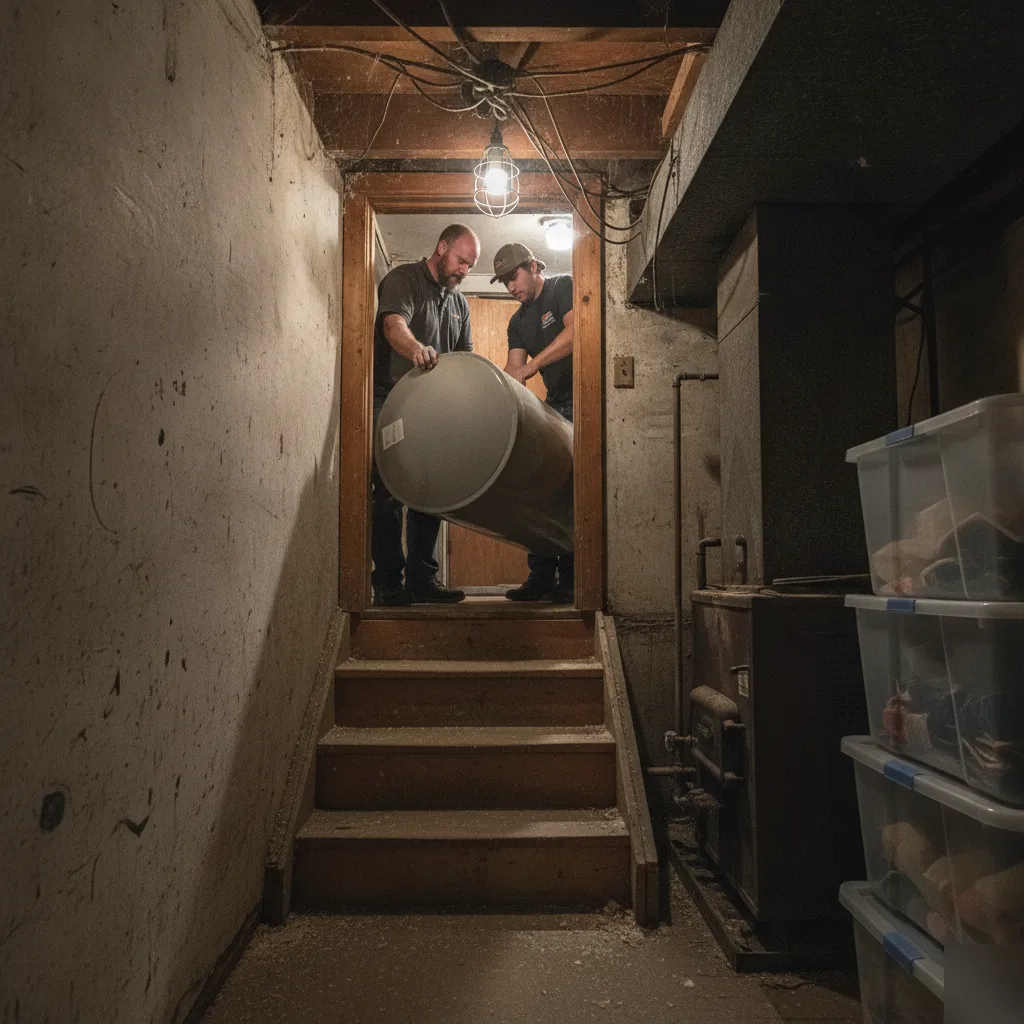
We run into this constantly.
Old gas lines in these houses were sized for a single small appliance, not a modern high-efficiency unit. Knob-and-tube wiring still shows up in basements that haven’t been touched since the 1950s. Venting through a shared chimney flue is common in triple-deckers where three units tie into one stack. This needs real attention. Get that wrong and combustion gases don’t clear properly.
- Basement stairs too narrow for a standard tank without disassembly
- Shared chimney flues needing separate venting for a new unit
- Gas lines undersized for higher-BTU tankless equipment
- Low ceiling clearance limiting tank height options
- Electrical panels without room for a dedicated circuit
This is exactly why tankless conversions do so well in these houses. A wall-mounted unit frees up floor space in a cramped basement corner. No big tank taking up the whole closet. This only works if the gas line and venting get upsized to match, not just bolted onto what’s already there.
A permit gets pulled either way. An inspector checks the venting and gas connection before we close things up. Skipping that step is how people end up with a unit that fails inspection later, or worse, one that’s not safe to run.
Thinking about Water Heater Installation? Let’s talk.
Call Now for a Free Estimate. Water Heater Genies is ready to help.
Massachusetts Code Requirements and What They Add to Your Install
Here’s something many homeowners don’t know until we’re standing in their basement. Massachusetts requires a licensed plumber to pull a permit for water heater installation. The work gets inspected. This is not us being extra careful. It’s state law. Bad installs cause real damage, gas leaks, scalding, or flooding a finished basement.
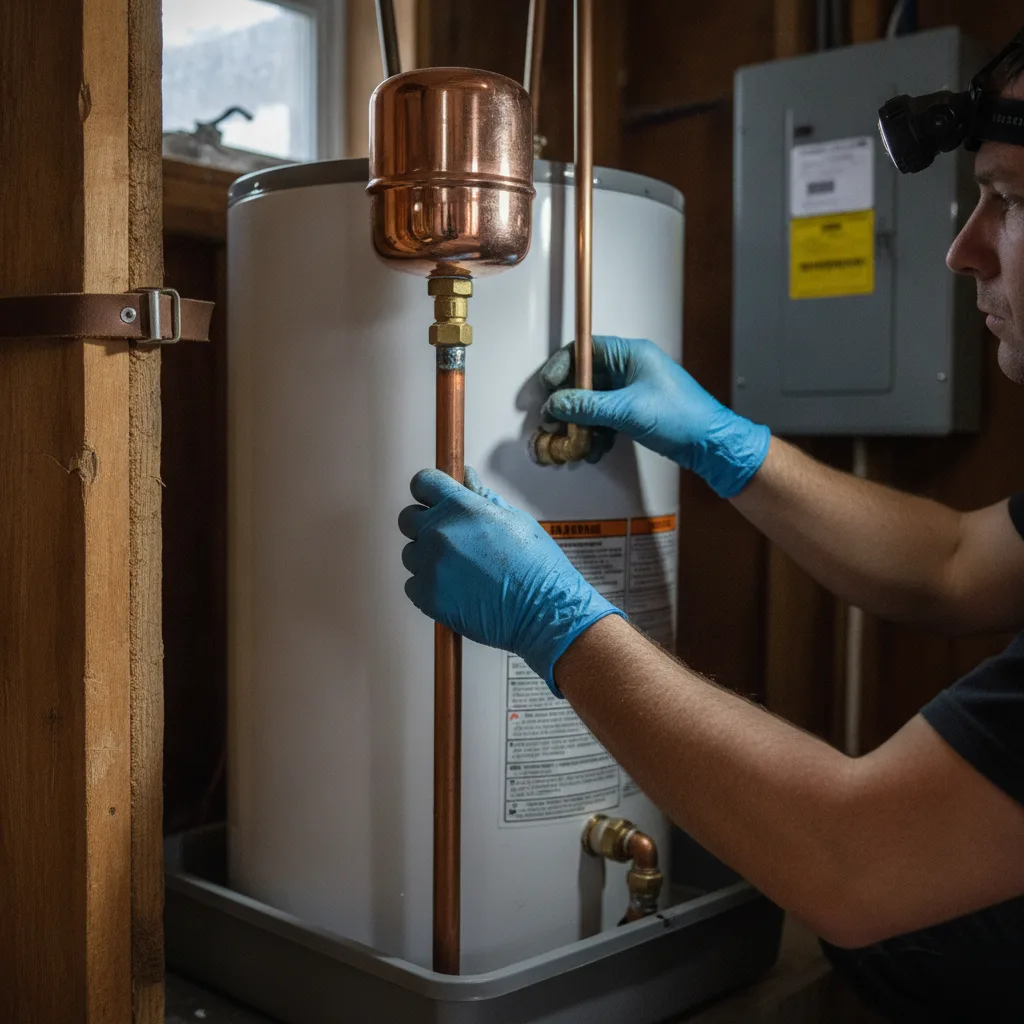
Malden has many older triple-decker homes with tight utility closets and shared chimney flues. That setup changes what code allows. A gas water heater venting into a shared flue has to meet specific clearance and draft rules. Older homes built before those rules existed often need updated venting to bring the new unit up to code. We run into this constantly on tankless conversion jobs in these houses.
What does code require, beyond the permit?
- Proper venting material and clearance from combustibles, checked at inspection
- A temperature and pressure relief valve piped to within six inches of the floor
- Seismic strapping or approved support in certain installs
- Expansion tank in some closed-system setups to handle pressure buildup
- Combustion air supply for gas units in tight mechanical spaces
Skip any of this and you might not know it; the unit still makes hot water fine. But an uninspected install can flag during a home sale, an insurance claim, or a future renovation permit. We’re licensed and insured. We pull the permit on every job. That’s just part of doing it right the first time.
Watch Our Video
See How We Handle Water Heater Installation in
Water Heater Genies
What to Expect on Installation Day
Installation day is not complicated, but it does take longer than most folks think. A straight swap runs a couple hours. A tankless conversion or a switch from electric to gas usually takes most of the day. We tell people to clear their schedule.
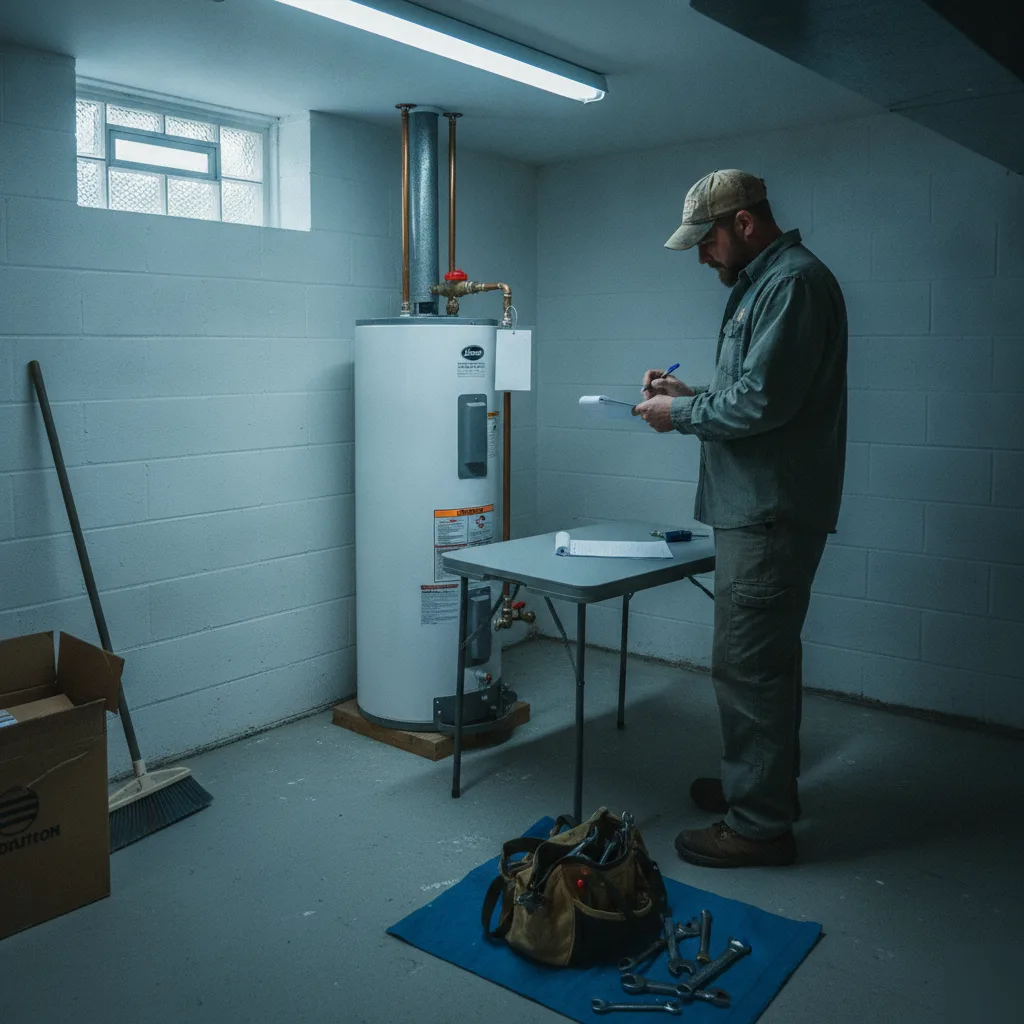
Malden has many homes built in the early 1900s, triple-deckers with tight basement stairwells and utility closets that were never built with a 50-gallon tank in mind. That changes how we route venting and where we can land a new unit. Our first job on site is confirming the plan fits the space.
- We shut off water and power or gas to the old unit and drain it.
- We disconnect and haul out the old tank.
- We check the venting, gas line, and water lines against current code before setting the new unit.
- We install the new water heater and connect all lines.
- We fill the tank, check for leaks, and test the pressure relief valve.
- We fire it up, check the temperature setting, and run water at a few fixtures to confirm hot water reaches them.
Any job that involves a gas line change or a new tankless unit needs a permit pulled with the City of Malden. It gets inspected. That protects you if something ever goes wrong down the line.
The whole thing wraps up clean and you’ve got hot water again before dinner. If we hit a surprise, like a corroded shutoff valve or undersized gas line, we’ll tell you on the spot before doing any extra work.
Frequently Asked Questions
Common questions about Water Heater Installation
How soon can you install a new water heater once I call?
Most water heater installations in Malden get scheduled within a day or two of your call. We first ask a few questions over the phone about your tank’s age, the leak or noise you’re seeing, and your home’s setup. That helps us bring the right unit and parts on install day instead of guessing. Triple-deckers and older homes sometimes need a quick look first to check gas lines and venting. A same-visit fix is common when the issue turns out to be a simple part instead of a full replacement.
What happens when your installer shows up at my house?
Your installer will check the old tank, confirm the new unit fits your space, and walk you through the plan before touching anything. In Malden’s older homes, this often means checking basement stairwells, chimney flues, and gas line size first. We shut off water and gas, drain the old tank, and install the new one to code. A licensed plumber pulls the permit and an inspector checks the venting and gas connection before the job is closed out.
Why do triple-deckers in Malden need extra work for water heater installs?
Triple-deckers built in the early 1900s often have narrow basement stairs, low ceilings, and shared chimney flues that weren’t designed for modern tanks. Around Edgeworth and Linden, we regularly find gas lines sized for one small appliance instead of a full water heater. Shared flues need separate venting so combustion gases clear properly. These details slow down a straight swap, but skipping them risks a failed inspection or an unsafe setup later.
How do I know if I need a repair or a full water heater replacement?
Rust-colored water, a puddle at the base, or a tank over 10 years old usually means replacement, not repair. Popping sounds or slow heat-up can often be fixed with a new heating element or thermostat. A tank leaking from the seams or body cannot be repaired, since that’s structural damage. We check the tank in person before recommending anything, so you’re not paying for a new install when a small part would fix it.
Is a tankless water heater a good choice for my Malden home?
Tankless works well for many Malden homes, but it depends on your gas line size, household size, and how many showers run at once. Older triple-deckers sometimes need gas line or electrical upgrades before a tankless unit can keep up with demand. Smaller households or homes without room in the budget for those upgrades often do fine with a standard tank. We look at your setup in person before suggesting one option over the other.
Do I need a permit for water heater installation in Malden?
Yes, Massachusetts law requires a licensed plumber to pull a permit for every water heater installation. An inspector checks the venting, gas connection, and relief valve placement before the job is signed off. This matters more in Malden’s older homes, where shared chimney flues and outdated gas lines need to meet current clearance rules. Skipping this step can cause problems later during a home sale, insurance claim, or renovation permit.
Ready to Get Started?
Call (781) 555-0193 Now for a Free Estimate.