
Water Heater Repair in Malden
What’s Covered on This Page
- Water Heater Repair in Malden: Fast Fixes From Pros You Can Trust
- Warning Signs Your Malden Water Heater Needs Repair Now
- Common Water Heater Repairs Malden Plumbers Handle Most
- What to Expect When Our Team Arrives at Your Malden Home
- How to Prepare Your Home for a Water Heater Repair Visit
- Preventing Repeat Water Heater Problems in Malden Homes
- How quickly can you get to my home for water heater repair in Atlanta?
- What should I do before the technician arrives?
- Does Atlanta’s water hardness affect my water heater?
- Can a water heater leak be repaired, or does the whole unit need to be replaced?
- Why does my hot water smell like rotten eggs in my Atlanta home?
- How do I know if my water heater needs repair or full replacement?
Need water heater repair?
Call Now for a Free Estimate. Call Water Heater Genies now.
Water Heater Repair in Malden: Fast Fixes From Pros You Can Trust
Warning Signs Your Malden Water Heater Needs Repair Now
You walk into the shower on a cold January morning. The water never gets past lukewarm. That is the most common call we get from homeowners across Malden, especially once temperatures drop between October and March.
But lukewarm water isn’t the only red flag.
Rusty or discolored water coming from your hot taps usually means corrosion is building inside the tank. We see this every week in older homes around the Maplewood and Edgeworth neighborhoods, where units have been running ten years or longer. If the cold water runs clear but the hot side looks brownish, your water heater is telling you something. Don’t ignore it.
Strange noises are another giveaway. Popping, banging, or rumbling sounds from the tank mean sediment has settled on the bottom and is hardening. That layer of buildup forces the unit to work harder and eventually crack. A noisy tank that gets attention early can usually be flushed and repaired. Wait too long and you’re looking at a full replacement.
Puddles around the base of your unit need immediate attention. Even a small leak can cause serious water damage to floors, walls, and anything stored nearby. Homes in the Belmont Hill area with water heaters in finished basements are especially at risk. A slow drip today becomes a flooded room tomorrow.
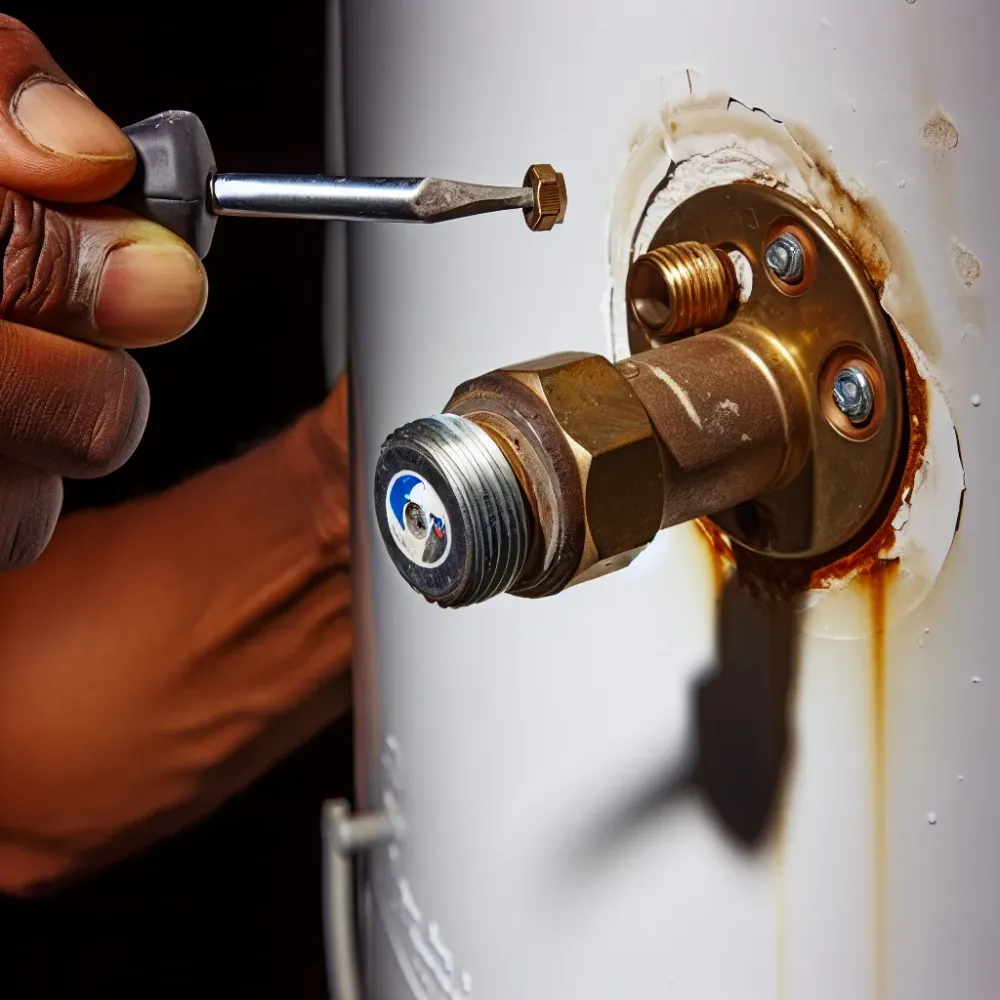
Here are a few more signs folks often overlook. Your hot water runs out way faster than it used to. You notice a rotten egg smell when the hot tap runs. Your energy bill spikes for no obvious reason. Or your pressure relief valve keeps discharging water onto the floor.
Wondering if what you’re seeing is actually serious? That’s a fair question. Some of these problems have simple fixes. Others point to a unit that’s failing from the inside out. The only way to know for sure is to have a licensed technician take a look. Our team handles water heater repair calls all across Malden, and we can usually tell you what’s going on within minutes of arriving.
So if something feels off, trust your gut. Early action almost always saves you money and keeps your home safe.
Common Water Heater Repairs Malden Plumbers Handle Most
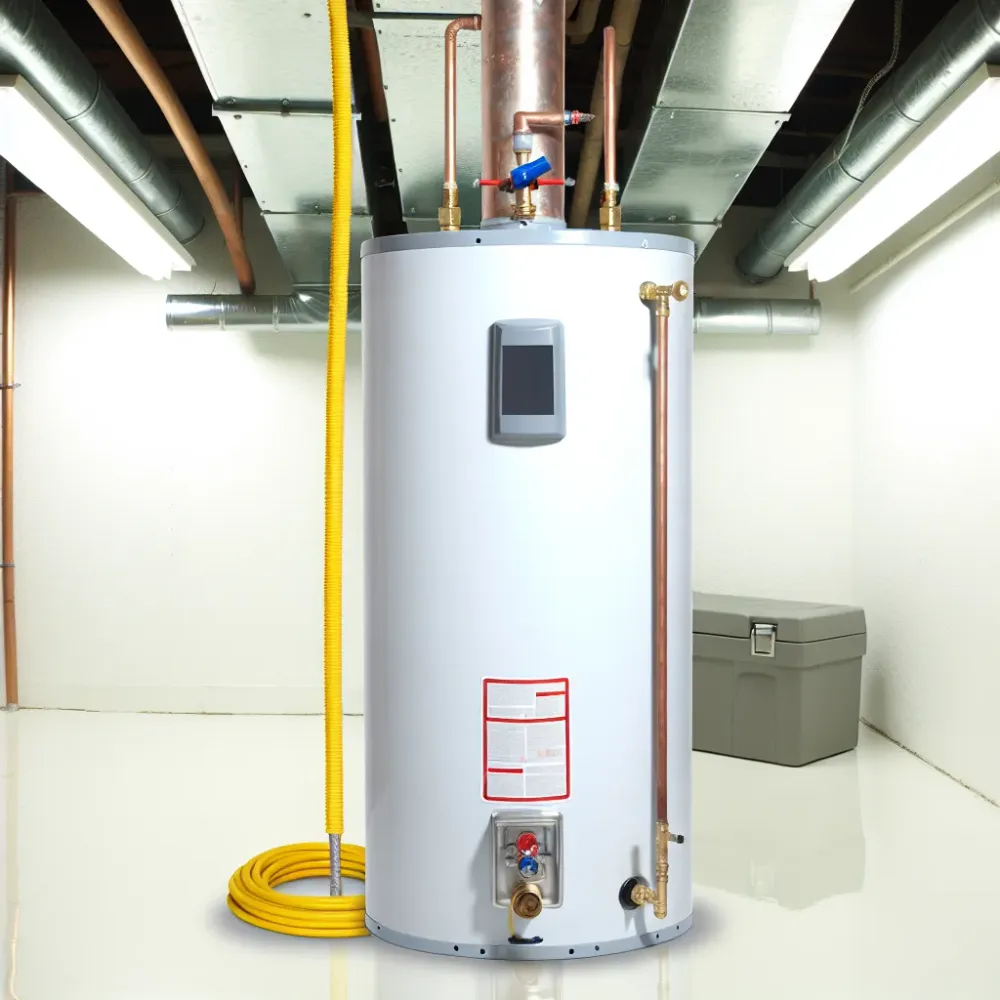
Some problems show up so often we could diagnose them over the phone. Seriously. After years of service calls across Malden, the same handful of issues account for most of what we see.
The number one call? No hot water at all. You turn on the shower and nothing changes. For gas units, it’s usually a failed thermocouple or a pilot light that won’t stay lit. Electric units tend to lose a heating element. Either way, it’s a straightforward fix when you’ve done it a thousand times. We handle these daily in neighborhoods like Maplewood and Forestdale, especially once temperatures drop between October and March.
Then there’s the water that’s not hot enough. Lukewarm at best. Usually it’s the same thing. A bad dip tube, a failing lower element, or sediment buildup choking the tank. Sediment is a big one in Malden because of our water hardness levels. That mineral layer sits at the bottom of your tank and acts like insulation between the burner and your water. So your unit works harder, runs longer, and still can’t keep up.
Leaking tanks bring a different kind of urgency. A small puddle near the base doesn’t always mean replacement. Sometimes it’s a loose drain valve or a corroded fitting. But if the tank itself is cracked, that’s a different conversation. We always check the pressure relief valve too. A dripping T&P valve could signal dangerous pressure buildup, not just a nuisance leak.
Strange noises are another common reason people call. Popping, rumbling, or knocking sounds coming from the tank. That’s almost always sediment again. Trapped water underneath mineral deposits turns to steam and creates those small explosions you hear. Not dangerous in most cases, but it tells you the tank needs attention before something bigger fails.
Rusty or discolored hot water rounds out the list. If only your hot side runs brown, the anode rod inside the tank has likely corroded through. Replacing it is one of the cheapest repairs we do, and it can add years to your unit’s life. Want to know what’s going on with yours? Give us a call and we’ll walk you through it.
Need help with water heater repair?
Call Now for a Free Estimate. Water Heater Genies is ready to help.
What to Expect When Our Team Arrives at Your Malden Home
You called. We’re on the way. Now what?
First thing our technician does is talk to you, not jump straight to the unit. We want to hear what you noticed. Maybe the water went lukewarm in the shower. Maybe you heard a loud pop from the garage. Or maybe there’s a puddle spreading across the laundry room floor. Every detail matters because it points us toward the real problem faster. We’ve been doing this long enough to know that what the homeowner describes usually gets us halfway to a diagnosis before we even pull out a tool.
Next, we inspect the full setup. That means checking the tank or tankless unit, the gas line or electrical connections, the pressure relief valve, the anode rod condition, and the venting. We also look at the water supply lines coming in and going out. In older Malden homes, especially around the Edgeworth and Linden neighborhoods, we see galvanized pipes still connected to newer units. That mismatch causes problems people don’t expect.
Most of the time, we can tell you what’s wrong within the first twenty minutes.
We’ll explain what we found in plain language. No jargon. No scare tactics. If your thermocouple burned out, we’ll show you the part and tell you what it does. If sediment buildup is choking your burner assembly, we’ll let you see it. Our team believes you deserve to understand what’s happening with your own equipment. Then we walk you through the fix, how long it takes, and what happens if you wait.
Something folks appreciate is that we protect your space. Shoe covers go on at the door. Drop cloths go down around the work area. We clean up when we’re done. Your Malden home should look the same as before we got there, just with hot water that actually works again. And if the repair needs a part we don’t carry on the truck, we’ll tell you rather than rigging a temporary patch that fails next week. That’s just how Mike trained every tech on our crew to operate.
How to Prepare Your Home for a Water Heater Repair Visit
A little prep goes a long way. Before our team arrives at your Malden home, there are a few simple things you can do to help us get straight to work.
First, clear a path to your water heater. Sounds obvious, right? But you’d be surprised how many times we show up to a basement in the Forestdale area or a utility closet near Pleasant Street and can’t even reach the unit. Boxes, holiday decorations, old paint cans. Move anything within three feet of the tank so we’ve got room to work safely. If your unit is in a tight crawl space or an awkward garage corner, just let us know when you call so we can plan ahead.
Turn off the power source before we arrive if you’re comfortable doing so. For electric units, flip the breaker. For gas units, turn the gas valve to the “off” position. Not sure which breaker it is? Don’t guess. Leave it for us. We’d rather handle it ourselves than have you shut off the wrong thing.
Know where your main water shutoff valve is. If your water heater is actively leaking, shutting off the water supply can prevent real damage to your floors and walls. Most Malden homes have the shutoff near the front of the house or in the basement. A lot of homeowners don’t know where it is until they need it badly. Find it now, before there’s a problem.
Grab any paperwork you have on the unit. Age, model number, past repair receipts. Even a photo of the label helps. This saves us diagnostic time and gets you answers faster.
One more thing. If you’ve got pets, we love them, but please keep them in another room. A curious dog and an open toolbox don’t mix well. During winter months in Malden when we’re moving quickly between jobs, these small steps help us stay focused and efficient. That means a faster repair for you and less disruption to your day.
Preventing Repeat Water Heater Problems in Malden Homes
Most callbacks we get aren’t from new problems. They’re from old ones that never got handled right the first time.
Malden’s water is hard. Not the worst in Massachusetts, but hard enough to cause real buildup inside your tank over a couple of years. That mineral scale coats your heating elements, lines your tank walls, and slowly chokes the life out of your system. If you don’t flush your tank at least once a year, you’re basically watching your water heater age twice as fast. We tell every customer in Maplewood, Edgeworth, and everywhere in between the same thing. A fifteen-minute flush saves you hundreds down the road.
Your pressure relief valve matters more than you think. That little brass piece on the side of your tank is a safety device. If it starts leaking or gets stuck, your tank can overpressurize. We test these on every service call because homeowners almost never check them on their own. Most folks don’t even know it’s there until something goes wrong.
Anode rods are another one. This is the sacrificial metal rod inside your tank that corrodes so your tank doesn’t have to. Once it’s eaten through, your tank starts rusting from the inside out. We recommend checking it every two to three years. In homes across Malden with older plumbing, we sometimes see them completely dissolved in under two years. Replacing a twenty-dollar rod beats replacing a thousand-dollar tank every time.
Temperature settings cause repeat issues too. We see units cranked up to 140 degrees or higher. That accelerates sediment buildup, stresses your components, and increases your energy bill all at once. The Department of Energy recommends 120 degrees for most households. That one adjustment alone can extend the life of your system.
So here’s the bottom line. A water heater that gets basic maintenance will outlast one that doesn’t by years. Not months. Years. Our customers near Belmont Hill and the Forestdale neighborhood who schedule annual checkups almost never call us for emergencies. The ones who skip maintenance? their addresses by heart. Set a reminder, schedule a flush before winter hits Malden, and stop paying for the same fix twice.
Frequently Asked Questions
Common questions about water heater repair services in Malden
How quickly can you get to my home for water heater repair in Atlanta?
We serve Atlanta homeowners and aim to reach you the same day you call. Most repair calls are urgent — no hot water or an active leak can’t wait. When you call, tell us your neighborhood and what you’re seeing. That helps us route the right technician with the right parts. We cover all areas of Atlanta, from Buckhead to East Atlanta Village, so you’re not waiting days to get help.
What should I do before the technician arrives?
Turn off the power or gas to your water heater as soon as you notice a problem. For electric units, flip the breaker. For gas units, turn the supply valve to the off position. If you see a puddle, place towels around the base and move anything stored nearby. Clear a path to the unit so our technician can get right to work. These steps keep your home safer and help us start the repair faster.
Does Atlanta’s water hardness affect my water heater?
Yes, Atlanta’s water has enough mineral content to cause sediment buildup inside your tank over time. That layer of minerals settles at the bottom and forces your unit to work harder to heat water. You’ll notice it as rumbling or popping sounds, slower hot water recovery, or higher energy bills. Flushing the tank regularly helps, but once buildup is heavy, a professional flush and inspection is the right call.
Can a water heater leak be repaired, or does the whole unit need to be replaced?
A leak does not always mean you need a full replacement. Many leaks come from a loose drain valve, a worn fitting, or a dripping pressure relief valve — all repairable fixes. If the tank itself is cracked or corroded through, that’s when replacement becomes the right move. Our technician will check every connection and component before recommending anything. You’ll know exactly what’s leaking and why before any work begins.
Why does my hot water smell like rotten eggs in my Atlanta home?
That rotten egg smell usually means the anode rod inside your tank has corroded and is reacting with bacteria in the water. Atlanta homes with older tanks or units that sit unused for long periods see this more often. Replacing the anode rod is one of the simplest and least costly repairs we do. It also extends the life of your tank. If the smell is strong or combined with discolored water, call us so we can check the full unit.
How do I know if my water heater needs repair or full replacement?
Most water heaters under ten years old are worth repairing. If your unit is older than that and showing multiple problems — leaks, rusty water, and no heat — replacement often makes more sense long-term. A single failed part like a thermocouple or heating element is almost always worth fixing. Our technician will inspect your unit and give you a straight answer. We won’t push replacement if a repair will get you years of reliable hot water.
Ready to Get Started?
Call Now for a Free Estimate Call (781) 555-0193 today.